Staging an iconic Shakespeare tragedy
HOW THE HISTORIC PERFORMANCE OF HAMLET AT THE HEART OF ELSINORE CAME TO BE
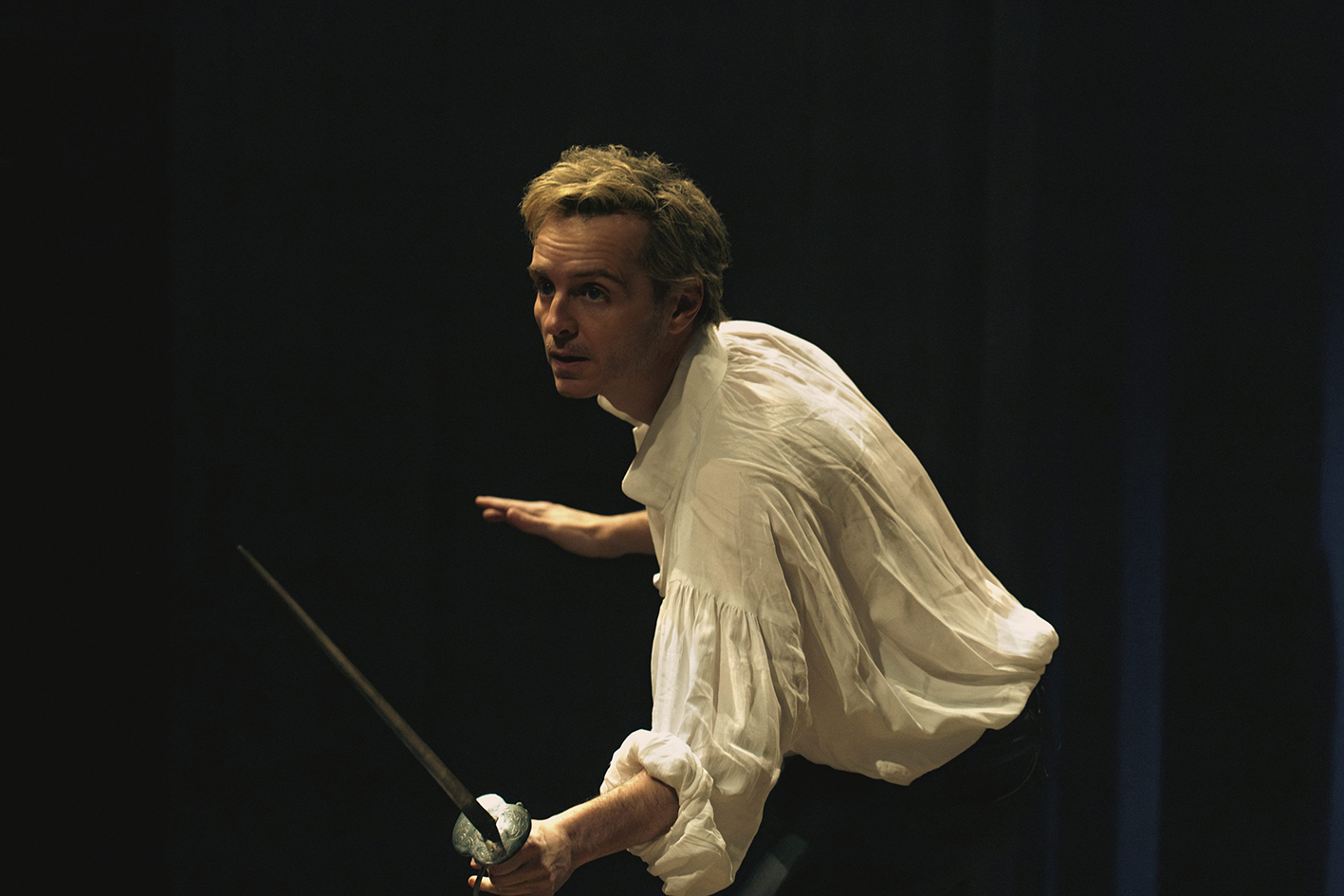
HAMLET’S “TO BE or not to be” monologue is a terrifying prospect for any actor or director, loaded with expectation, history and a pressure to do it differently from the countless others before you. On Simon Stone’s Elsinore, it came with even more weight.
Elsinore is the true story of Ian Charleson, an actor who played Hamlet at London’s National Theatre in 1989 while in the final stages of AIDS, well aware this was the last thing he’d ever do. Charleson is portrayed by Andrew Scott, a near-certain nominee for every Best Actor prize in next year’s awards season. When Charleson delivers the soliloquy at the film’s end, pondering whether it’s better to suffer on or surrender to death, free of “the thousand natural shocks that flesh is heir to”, he’s contemplating his own mortality. Scott, who has played Hamlet on stage before, is not just playing Hamlet. He’s performing Hamlet being performed by a man who relates to every word he’s saying.
“When Andrew played Hamlet [previously], he wasn’t facing a death sentence,” says Stone. “The unknown after death… it was speculative. Ian’s performance of Hamlet wasn’t speculative. He knew he was going to be facing this very soon.”
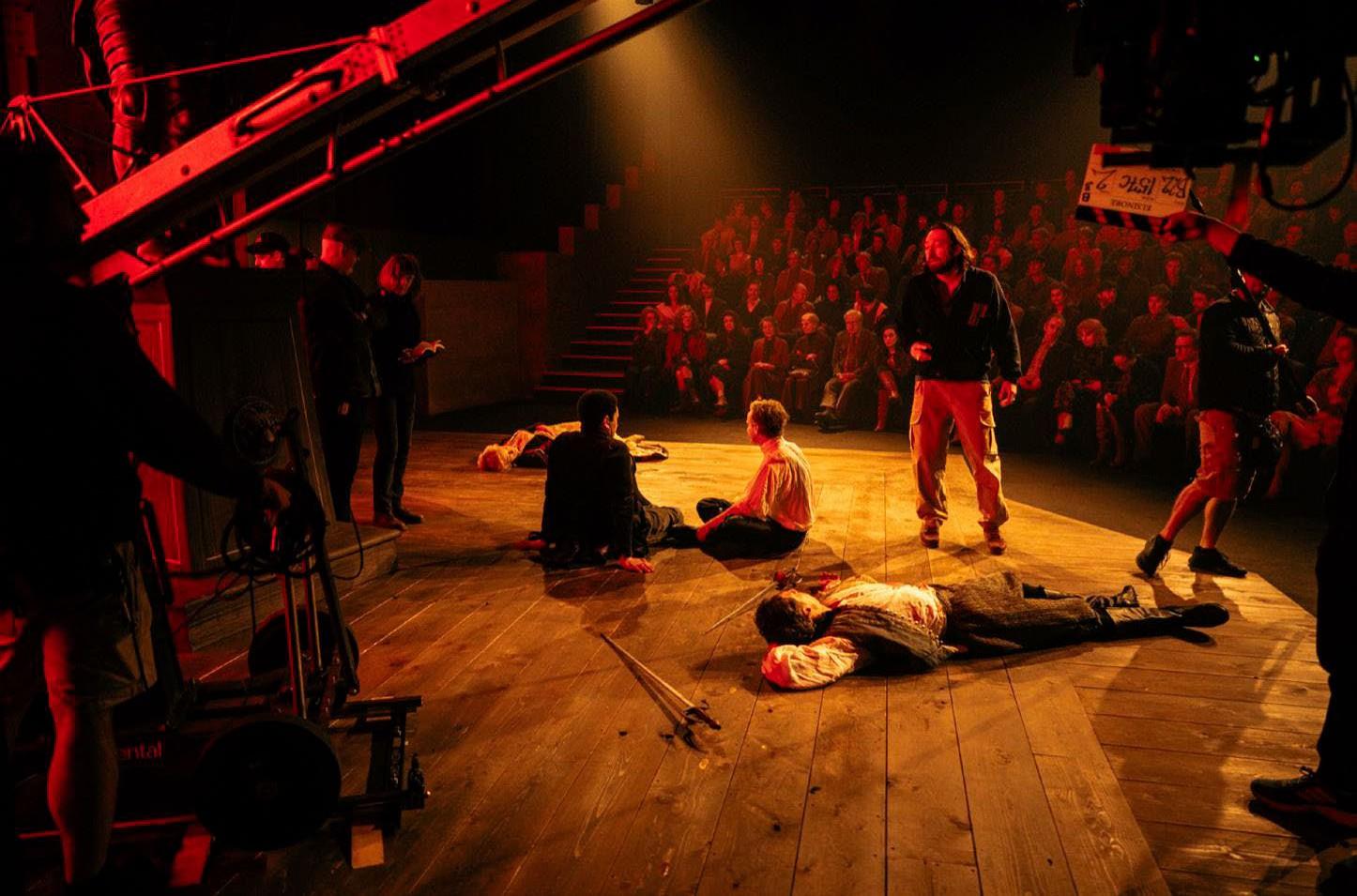
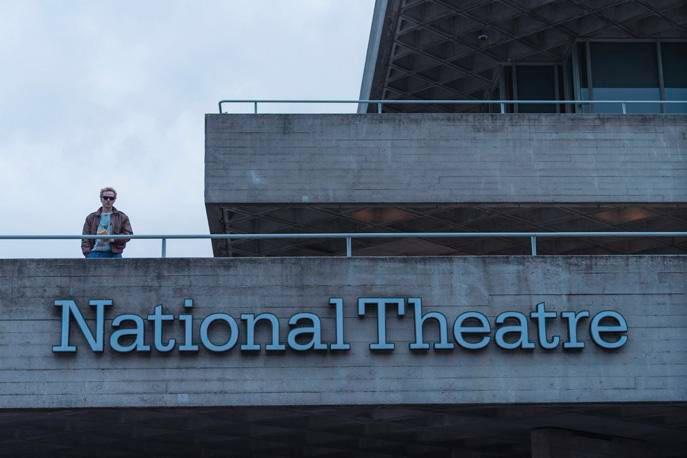
Shooting that scene, and all the theatre scenes of Elsinore, was a profoundly meta experience for Stone and the cast. Parts of the film were shot at the National Theatre itself (the Gillian Lynne Theatre was also used) and Stone was given access to elements from the actual 1989 staging. “There’s no archival footage of the production,” says Stone, a seasoned theatre director, “which was a blessing, because Andrew didn’t have a performance to mimic and I didn’t have blocking to mimic, but we used the original set design and some of the real costumes from the production. Juliet Stevenson is wearing the costume worn by Sylvia Syms (the actor who took the role of Gertrude in 1989, played in the film by Stevenson) — I think Judi Dench also wore it in another production — and Andrew is definitely wearing bits of what Ian wore.”
Stone also asked the actors to, in part, create the play as if from scratch. He gave his cast minimal direction, instead letting it come from Johnny Flynn, portraying the director Richard Eyre. “I would give them a basic set-up before we started rolling, then whenever I had a note I would whisper it to Johnny and he’d deliver it as Richard,” says Stone. “Andrew getting a note from Johnny, who’s a good friend of his, he could have just gone, ‘This is too weird. I don’t want to.’ But he didn’t… Andrew is an actor who can do anything.” Stone chose not to consult Eyre, who is still directing, before filming, but was able to later show him the finished film. Eyre’s only criticism, says Stone: “‘I never sat on the ground during rehearsals.’ If that’s the only note, I’ll take it!”
When it came to the most famous speech in theatre, Stone also initially gave Scott almost no guidance. As they covered the performance from different angles, over two days, he left his lead to his devices, only stepping in before the ‘hero’ shot, Scott performing the full thing as the camera slowly pulls back until it’s in the cheap seats. “Then I finally gave myself permission to say, ‘Think about the fact that you’re going to die soon,’” says Stone. “I hadn’t said that to him [on previous takes] because I wanted to capture the moment when he thinks about that for the first time. And you see it. A single tear runs down his face. It was a perfect take. That’s the one that’s in the movie.” And there will not be a dry eye in the house.
ELSINORE IS IN CINEMAS FROM JANUARY 29