Getting away with merger
WHAT THE PARAMOUNT TAKEOVER OF WARNER BROS. MEANS FOR YOU
AS WITH MANY things in life, perhaps the most seismic shake-up in recent Hollywood history is best summed up by a Spice Girls lyric: when two become one. After mucho machinations, on October 26, Paramount Skydance acquired Warner Bros. Discovery at the cost of a cool $110 billion to form the Skydance Corporation, a behemoth of a movie studio under the leadership of CEO David Ellison. The move reduces the number of ‘legacy’ Hollywood studios to just four — Skydance now joins Sony, Disney and Universal — and has inspired widespread industry fears of redundancies, fewer places to shop projects and the transformation of an artform into ‘content’. But what does the merger mean for film fans?
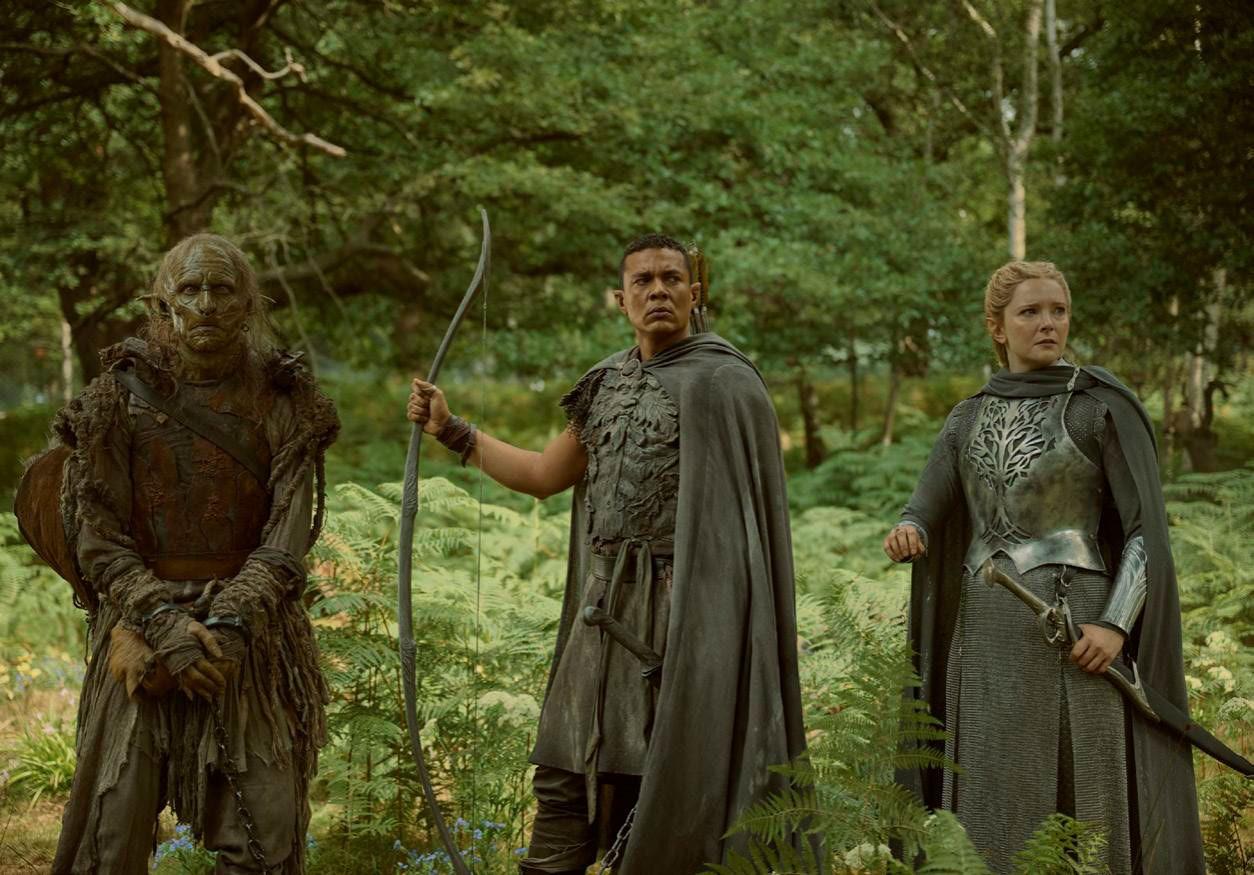
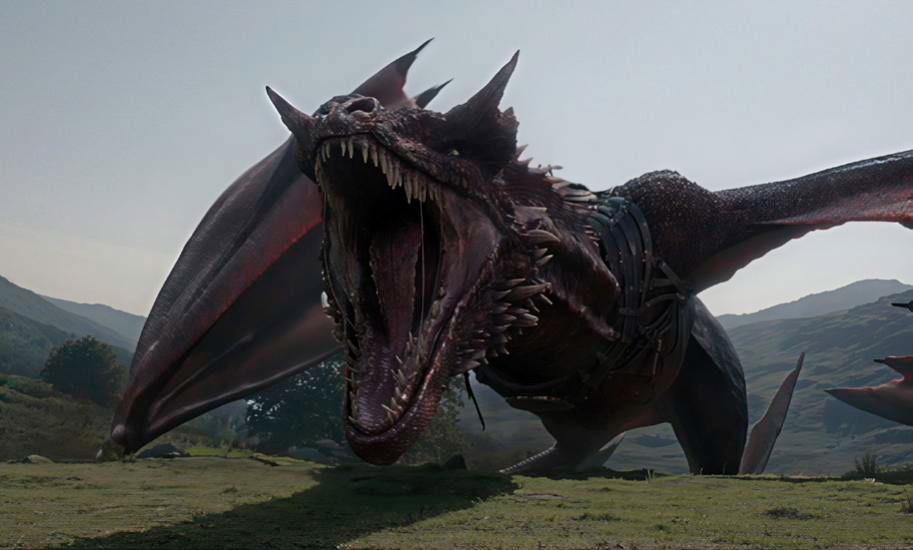
Don’t expect to see a quick transformation. Perhaps the most visible change will appear in the new streaming proposition, the merging of Warner’s HBO Max (The Pitt, House Of The Dragon, Lanterns, The White Lotus) with Paramount+ (Yellowstone, Tulsa King) — analysts predict a big price hike. In the movie business, the Skydance slate for 2027 is set, mixing existing WB projects (new instalments of Superman, Ocean’s, Minecraft and The Lord Of The Rings, plus non-franchise work from M. Night Shyamalan and J.J. Abrams) with Paramount titles (more Sonic, Paranormal Activity and A Quiet Place). 2028 is also in motion: get ready for The Batman Part 2, a Longlegs sequel, Zach Cregger’s The Flood, Weapons prequel Gladys, another Days Of Thunder, Call Of Duty and Gremlins 3. So, 2029 may offer the first proper glimpse of their new identity. “We’re looking at a long game here,” says Chris Yogerst, author of The Warner Brothers. “This still could go a couple of different ways. They really want to boost output. Whether or not they’re going to be able to do it is another question.”
The volume of output is crucial. To settle an antitrust lawsuit, Ellison and co presented a five-year consent decree, a foundational document outlying their plans to maintain film production. It stipulates Skydance will make 30 films for the first two years, then 32 for three years (a total of 156 films over five years). Out of those 30 to 32, 20 to 21 have to be wide releases, and four have to be independently produced. At least 20 per cent of the films will have budgets over $50 million, with all films guaranteed a 45-day theatrical window. “It’s a lot to do every year, particularly when it goes up to 32,” says Jeremy Kay, Screen Daily’s Americas Editor. “There’s no provision at all after five years. If Ellison wants to release far fewer films, he can.”
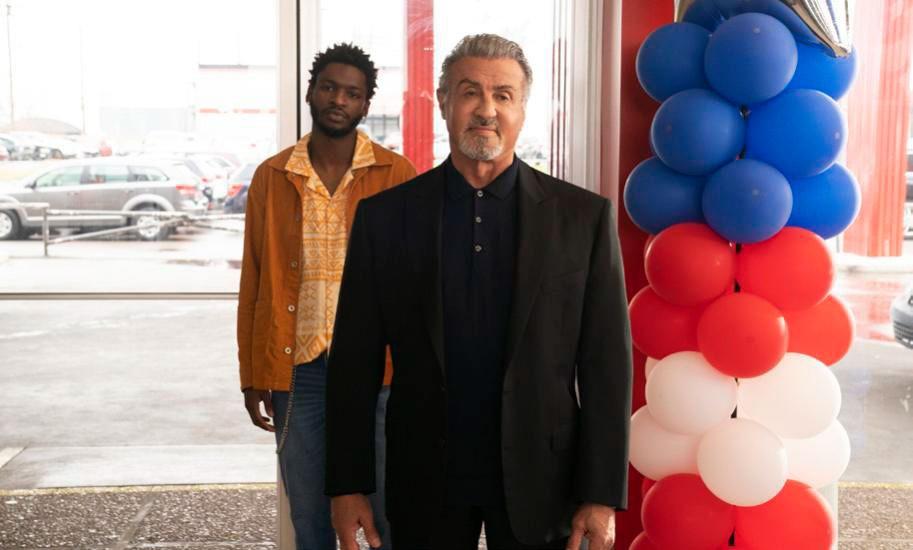
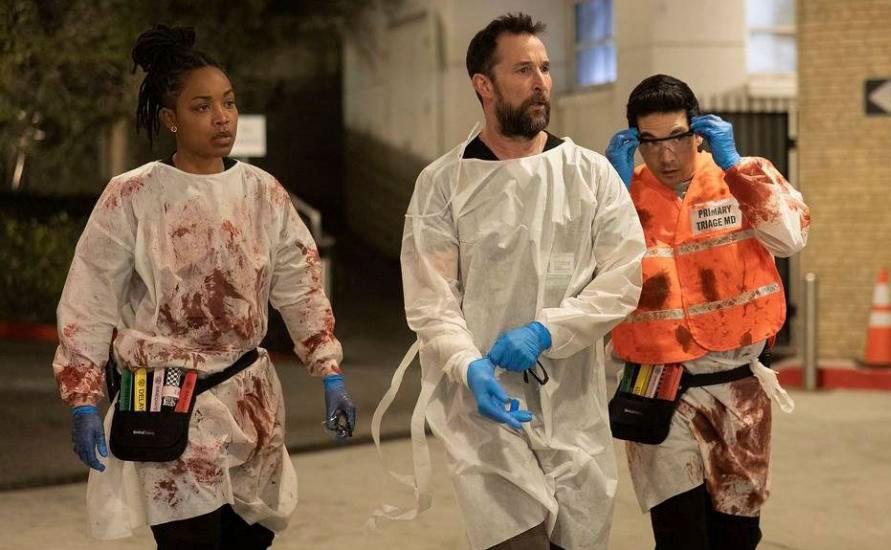
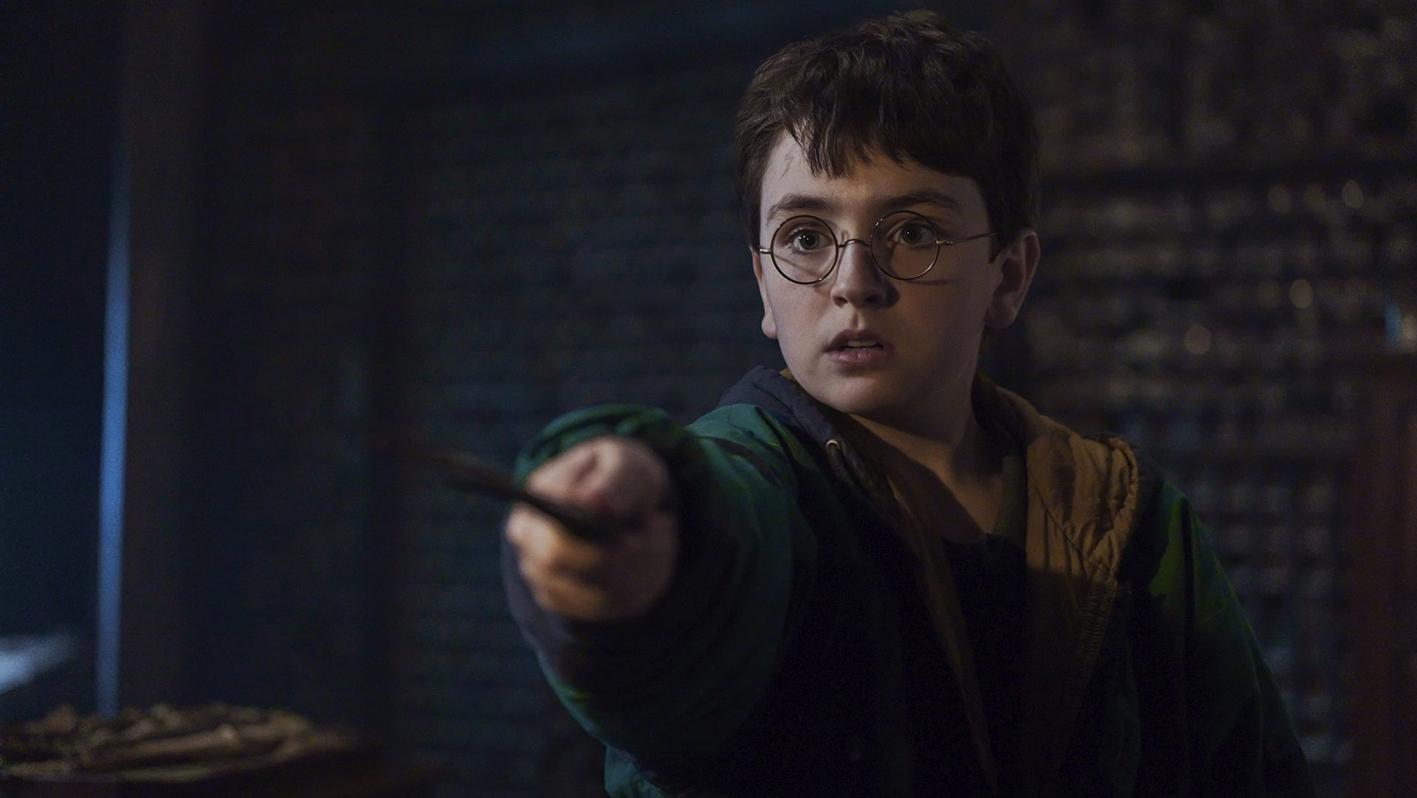
Skydance films currently in development include the Jetsons live-action update (with Jim Carrey), The Matrix 5, The Goonies 2, Constantine 2, Game Of Thrones: Aegon’s Conquest and, unless rumours of it being put on pause turn out to be true, The Lord Of The Rings: Shadow Of The Past (aka The Stephen Colbert One). The list highlights Ellison’s love of a sequel. One by-product of the acquisition is that it brings a bewildering array of IP under the same roof: (deep breath): Harry Potter, Game Of Thrones, LOTR, Barbie, Gremlins, the DC Universe, Mission: Impossible, Top Gun, Transformers, G.I. Joe and Star Trek. Not only this, but the combined libraries of the two studios offer a raft of historic titles to re-imagine (paging Tim Burton). “Both companies have done a really good job making the old new again in interesting ways,” says Yogerst. “And the people are there that can do it.”
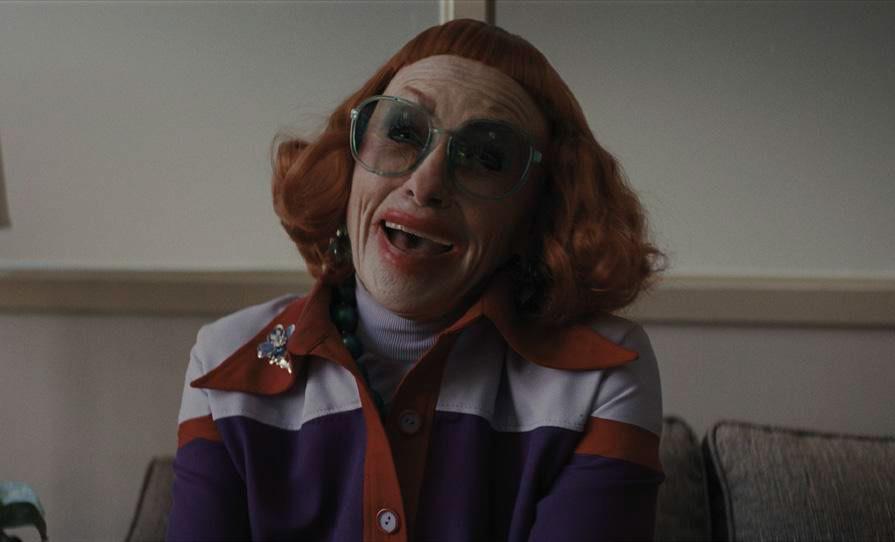
But critics feel this franchise focus could put smaller stories at risk. While Paramount Skydance’s output has been dominated by big-budget sequels and smaller-scale horror movies, at a townhall meeting on Day One of the new venture, Ellison announced, “We are going to make a completely diverse slate. One of the things I’ve been a big believer in is original storytelling,” noting his favourite film of 2025 was Sinners. “He likes big, broad entertainment, and it’s fine if he wants to do that,” says Kay. “But Warner Bros., certainly under the recent leadership, were championing different types of films. I’m not sure a film like One Battle After Another will get made now.” Still, Kay sees one fiscal factor that might help preserve smaller fare. “Skydance [has] an $80 billion debt, which they’ve got to service,” he says. “So, if you’re going to just go for expensive tentpole films, I don’t think that is sustainable. They may have to look at films that will cost a little bit less.”
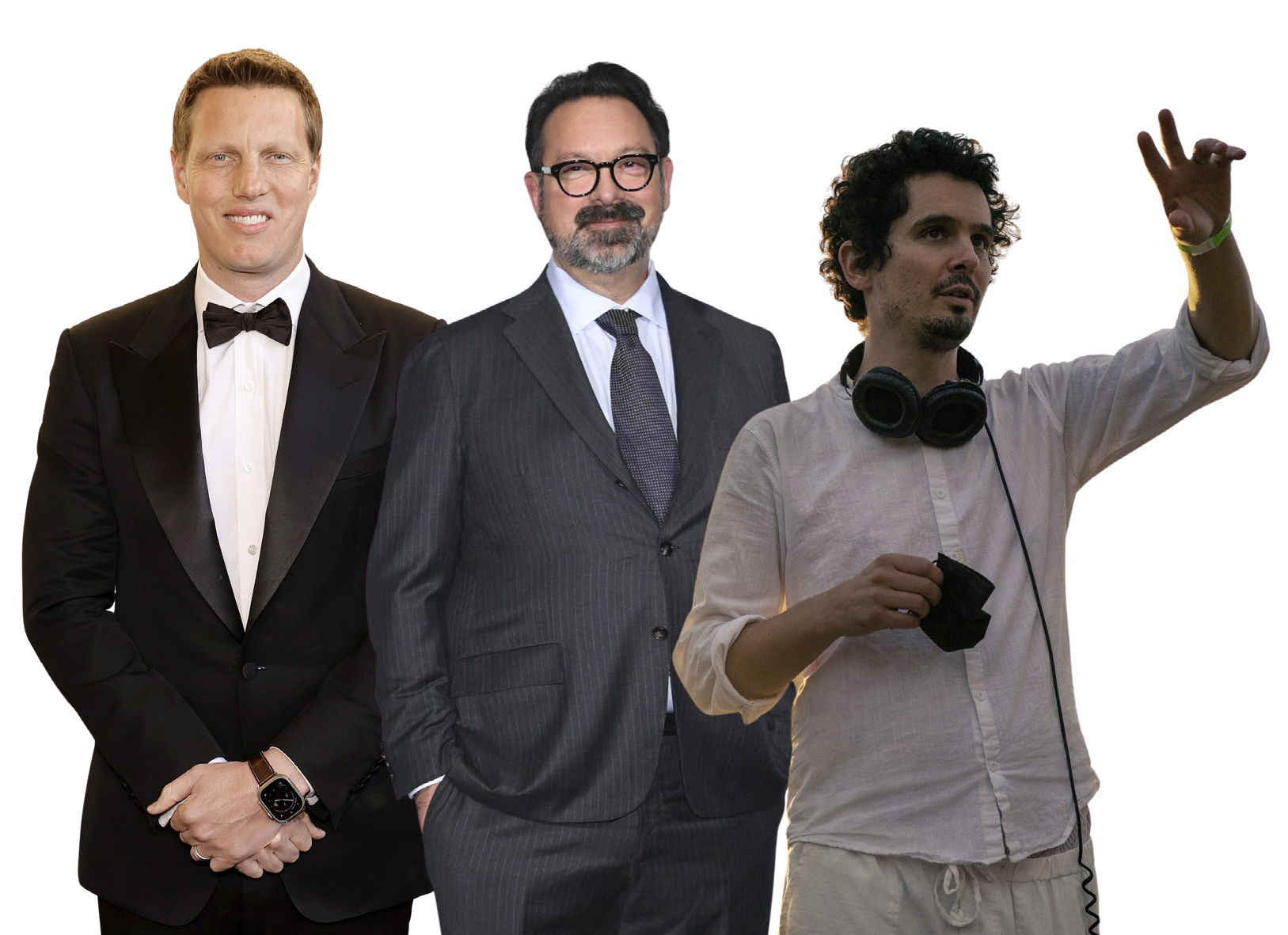
For all the concerns around Ellison’s taste, he has attracted interesting talent — James Mangold, Damien Chazelle and the Duffer brothers have all set up new projects under his auspices. “He’s not some faithless bean-counter who just is not interested in film at all,” suggests Kay. “He does genuinely seem to love movies.” Yogerst also finds reasons for optimism. “In film history, these periods of transition have often ushered in really great periods of revival,” he says, citing the ’70s New Hollywood emerging out of corporate takeovers. “People have called the end of studios and movies time and again, and they prevail every time. If Ellison keeps putting the right people in charge and lets them do their jobs, there’s hope.” Fingers crossed Skydance will deliver cinematic gold. Or at least, occasionally spice up your life.